
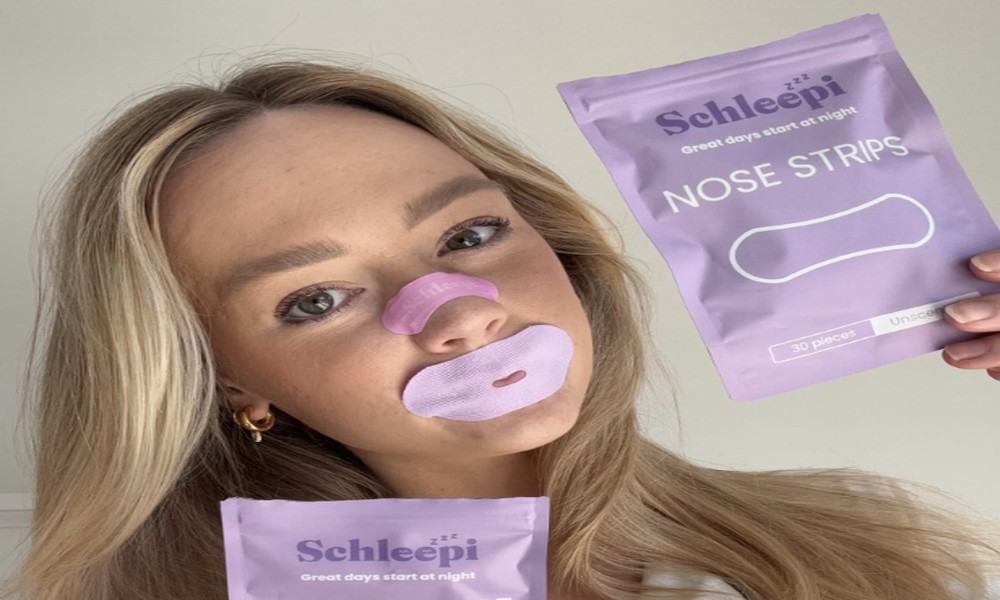
Most people never stop to question how they breathe. Breathing occurs automatically, thousands of times a day, and the body simply continues to function. But the mechanics behind breathing-particularly whether air enters through the nose or mouth-have a much greater influence on health and sleep quality than most people realise. Nasal passages narrow for all sorts of reasons: inflammation, sleeping position, seasonal congestion, or simply anatomy. When that happens, the mouth takes over. And that is where things quietly start to go wrong. The best nose breathing strips offer a surprisingly effective fix for something most people do not even know is affecting them.
The Nose Does More Than Filter
Textbooks mention nasal filtration, and everyone vaguely knows that. What gets far less attention is pressure regulation. The nasal cavity controls the speed and resistance of incoming air in a way the mouth physically cannot replicate. When that regulation is lost, breathing becomes shallow and rapid. The nervous system picks these changes up and stays slightly alert – not enough to notice consciously, but enough to keep the body from settling into genuinely deep, restorative sleep. People blame stress, screens, and mattresses. Rarely do they suspect their nose.
What the Strip Actually Does
There is a common misconception that nasal strips push the nostrils inward or prop them open like a splint. They do neither. The strip pulls the outer walls of the nostrils gently outward, widening the passage through mechanical tension alone. That small change reduces airflow resistance without any medication or intervention inside the body. First-time users often experience an immediate difference in the night. Breathing takes less effort, the body stops compensating, and sleep deepens – not dramatically, but noticeably. That shift compounds over time.
Snoring Is a Signal, Not Just a Sound
Snoring tends to get treated as a personality quirk or a minor domestic grievance. It is neither. A large share of snoring begins in the nose – congestion or narrowing forces air to accelerate, which creates turbulence, which vibrates soft tissue further back in the airway. The best nose breathing strips work by addressing airflow at the entry point. Reducing turbulence upstream quiets the vibration downstream. Snoring does not always vanish entirely, but its intensity drops, and that matters enormously for sleep quality – both for the person snoring and for whoever is lying next to them.
What Athletes Figured Out Early
Competitive athletes were using nasal strips long before they became a mainstream product. The reason is specific and worth understanding. At high exercise intensity, the sensation of breathlessness is partly physical and partly a signal the brain generates when respiratory effort crosses a certain threshold. Open nasal passages reduce the effort required to move air in, which delays that threshold. The lungs are not suddenly larger. What changes is that breathing feels less laboured earlier in the effort, so the brain does not trigger its distress signal as quickly. That is a meaningful performance edge, even if it sounds modest on paper.
Where Most People Go Wrong
Placement ruins the experience for many people who try nasal strips once and give up. The strip needs to sit across the flare of the nostrils – the widest, most flexible part – not high up on the rigid bridge where it cannot generate lift. Skin preparation matters too. Oily or moisturised skin weakens the adhesive within an hour, and the strip shifts or falls off entirely during sleep. Clean, dry skin and firm pressure along the full length of the strip at application make a genuine difference. Removal deserves the same care – peeling slowly and parallel to the skin prevents the redness that puts people off using them again.
Conclusion
The best nose breathing strips have remained relevant across decades of shifting wellness trends for a straightforward reason – they solve a real problem that most people have not properly identified yet. Poor nasal airflow affects sleep depth, energy levels, snoring intensity, and even exercise capacity, often without the person connecting those symptoms to their breathing. The strip does not override anything. It simply gives the nose what it needs to do its job properly, and the body takes care of the rest.