
Invisalign aligners have become a popular choice for people who want to straighten their teeth comfortably and less noticeably. While many people achieve great results, the success of this treatment is not the same for everyone. Several important factors work together to decide how effective and predictable the results will be, and for those seeking Invisalign Manhattan providers, finding a top-tier specialist is often the first step in ensuring a successful outcome.
One of the most important factors is patient discipline. Invisalign aligners must be worn for around 20 to 22 hours every day. If they are not worn as recommended, the teeth may not move as planned. This can lead to delays in treatment or results that are not fully accurate. People who follow the instructions carefully are more likely to see better outcomes.
Another key factor is how well the treatment is planned. Before starting, dentists create a digital plan that shows how the teeth will move step by step. A well-designed plan helps guide the teeth correctly. However, if the plan is not accurate or if adjustments are not made during treatment, the final result may not match the expected outcome.
The complexity of the dental problem also plays a big role. Invisalign works best for mild to moderate issues such as small gaps, mild crowding, or minor bite problems. More complex cases, like severe misalignment or large bite corrections, may be harder to treat with aligners alone. In such cases, the results may be less predictable or may require additional treatments.
The type of tooth movement is another important factor. Some movements are easier to achieve than others. For example, simple tilting of teeth is usually more accurate. However, movements like rotation, vertical shifting, or widening of the dental arch can be more difficult and less predictable. These types of movements may need extra care and monitoring.
Technology also affects the success of Invisalign. Modern tools like digital scans and 3D planning help improve accuracy. They allow dentists to design treatment more precisely. However, these tools are not perfect. Sometimes, they may show slightly better results than what actually happens in real life. This is why regular check-ups are important to track progress and make changes if needed.
Patient-related factors, such as motivation and lifestyle, also influence results. People who are committed to the process, maintain good oral hygiene, and attend regular appointments tend to have better outcomes. Support from family or guidance from the dentist can also help patients stay on track during the treatment.
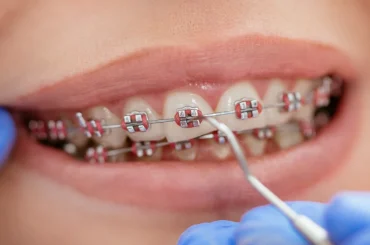
When compared to traditional braces, Invisalign offers better comfort and appearance. Many patients prefer it because it is less noticeable and easier to manage in daily life. However, in more complex cases, traditional braces may still provide more precise results.
In conclusion, the success of Invisalign treatment depends on a combination of factors. These include patient discipline, proper planning, case complexity, type of tooth movement, and the use of technology. When all these factors are managed well, Invisalign can deliver effective and satisfying results.