You may be trying to schedule one visit for a child who gets anxious in the chair, a parent who needs a crown, and a grandparent whose medications affect oral health. That sounds simple until it is your real life. Then it becomes a stack of forms, timing issues, insurance questions, and the quiet worry that one person’s needs will get missed while you are managing everyone else’s. A San Francisco cosmetic dentist can help coordinate care while keeping each family member’s needs in focus.
A good family dentist does more than clean teeth and fill cavities. The office becomes a point of coordination, helping children, teens, adults, older adults, and patients with disabilities receive care that fits their health history, comfort level, and daily routine. That is the heart of How Family Dental Offices Coordinate Care For Patients With Different Needs. It is not about treating every patient the same. It is about building one system that can flex for each person.
Family dental care works best when the office sees the whole patient
People do not show up with only dental needs. They come in with sensory sensitivities, speech delays, chronic illness, pregnancy, mobility limits, dementia, tight budgets, and school or work schedules that leave very little room for appointments. If a dental office ignores those realities, care gets delayed. Small problems turn into painful ones, and routine visits become crisis visits.
That pattern is common across the country. The HRSA oral health fact sheet points out that oral disease remains a major public health issue, especially for people who already face barriers to care. Those barriers are not only clinical. Transportation, cost, communication, and fear all shape whether a patient gets seen at the right time.
A well-run family practice responds by coordinating details before the appointment starts. Staff may review medical histories in advance, group family appointments together, note sensory triggers, confirm whether a patient needs extra time, and prepare the room based on age or mobility needs. That is how coordinated dental care for families becomes real. It happens in the schedule, the chart, the handoff between team members, and the treatment plan.
Patients with different needs require different forms of support
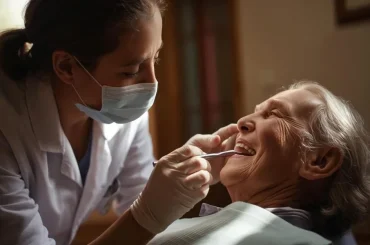
Children often need reassurance, simple language, and short appointments. Teens may need orthodontic monitoring, sports mouthguards, or help understanding how diet and vaping affect oral health. Adults are often balancing restorative work with finances and time off from work. Older adults may need care shaped around dry mouth, gum disease, dexterity changes, or medication interactions.
Patients with developmental disabilities often need even more planning, not more pressure. The National Institute of Dental and Craniofacial Research offers guidance on dental care for people with developmental disabilities, including the need for tailored communication, caregiver involvement, and appointment pacing. That matters because a rushed visit can fail even when the treatment itself is routine.
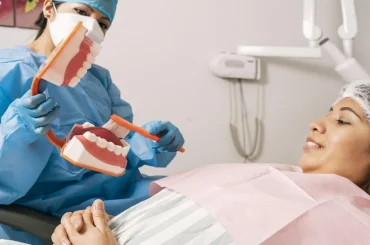
You may have seen this firsthand. One family member does fine with a standard cleaning, while another needs desensitization visits, visual supports, or a clear step by step explanation before anyone can even look in the mouth. In a strong family practice, those differences are expected. The office does not treat them as disruptions. It builds care around them.
A family dentist often coordinates with physicians, caregivers, and specialists
Oral health does not sit apart from the rest of health. Diabetes can affect gum disease. Heart medications can change bleeding risk. Cancer treatment can damage oral tissues. Pregnancy can change gum response. A patient with autism may have feeding patterns or sensory needs that affect cavity risk. A patient with limited mobility may need transfer support and modified positioning.
That is why a family dental office often communicates with pediatricians, primary care doctors, therapists, oral surgeons, orthodontists, and caregivers. The goal is not to create more complexity. The goal is to reduce surprises. If a child needs sedation planning, if an adult takes blood thinners, or if an older patient depends on a caregiver for oral hygiene, coordination protects the patient and makes treatment more realistic.
The broader research supports this approach. The Oral Health in America report describes oral health as part of overall health and quality of life, not a separate issue. That is why the best care plans are not just clinically sound. They are workable at home.
Practical differences between routine treatment and coordinated family dental care
| Care Approach | Routine Dental Visit Model | Coordinated Family Dental Care Model |
|---|---|---|
| Scheduling | Standard time slots for each patient | Grouped visits, longer blocks for patients who need more support, caregiver timing considered |
| Medical review | Basic update at check in | Advance review of medications, conditions, physician input, and behavioral needs |
| Communication | One style for most patients | Adjusted language, visual cues, caregiver participation, written home care plans |
| Treatment planning | Focus on the tooth or procedure | Focus on the patient’s tolerance, finances, home support, and long term follow through |
| Outcome | May work well for straightforward cases | More likely to support consistent care across different ages and health needs |
This is where many families feel relief. They are not asking for special treatment. They are asking for care that matches reality. A child who needs breaks, an adult who cannot afford to complete all treatment at once, or an older parent who forgets home care instructions all benefit from a plan that accounts for life outside the operatory.
Three steps help you get better family dental coordination right away
Bring a full health picture. Share medication lists, diagnoses, allergies, past dental experiences, sensory triggers, and caregiver concerns before the visit if possible. The more the office knows, the better it can prepare.
Ask for a care plan that fits daily life. If your child does better in the morning, say so. If a parent needs shorter visits because of pain or fatigue, say that too. If finances mean treatment must be phased, ask the office to prioritize what needs attention first.
Keep one point of contact. When one staff member helps track referrals, follow up visits, and home care instructions, things fall through the cracks less often. That matters when multiple family members are receiving care at the same practice.
Thoughtful coordination makes family dentistry less stressful
You do not need a perfect schedule, perfect insurance, or perfect family cooperation to move forward. You need a dental office that understands why one household can include many kinds of patients, and why good care has to adapt. Dental care coordination for patients with different needs gives families something they rarely get enough of, which is a plan that feels manageable.
If you are looking for a family dentist, ask how the office handles different medical, developmental, and age related needs, how it communicates with caregivers and other providers, and how it adjusts appointments for comfort and safety. The right office will answer clearly and treat those questions like part of the job.