
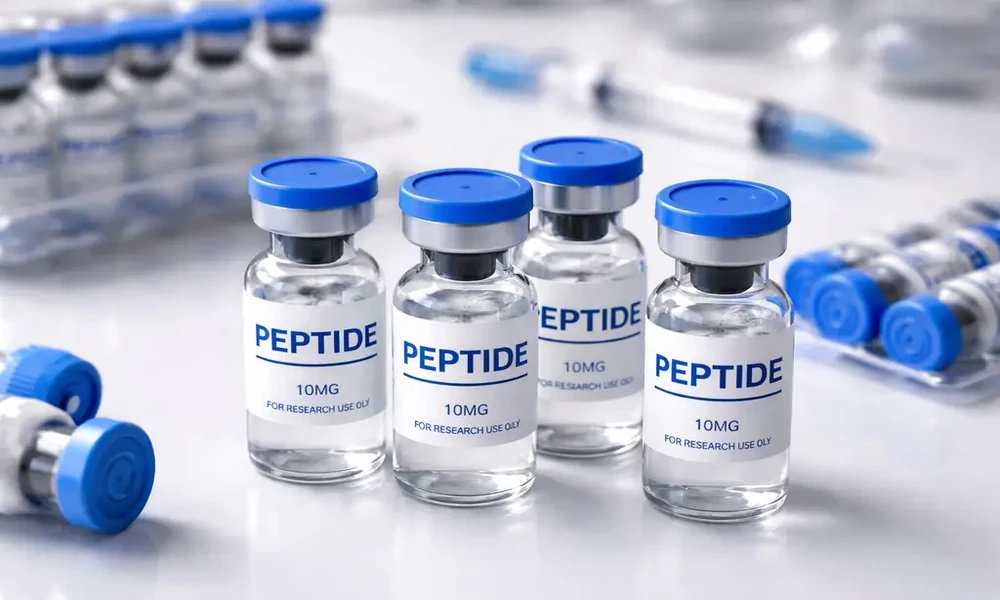
Good research planning begins with reliable details. A bpc 157 peptide profile can provide useful starting information. Identity, composition, handling notes, and testing records establish direction. Those references help researchers frame suitable questions early. They also separate known facts from working assumptions. As planning develops, each detail can serve another purpose. This creates a clearer path from information toward research decisions.
Clear Identity Shapes Early Research Plans
A defined identity gives research work firmer boundaries. Sequence information can support classification and comparison tasks. Composition details offer another reference during preparation. From there, researchers can define relevant analytical questions. Clear records also reduce confusion between separate research materials. Each detail therefore supports a more focused starting point.
Which Details Guide Research Questions?
Useful questions become clearer when information stays specific. Storage notes can influence handling choices during planning. Testing records can shape later analytical checkpoints. Those details also establish practical comparison points for researchers. A useful planning record may capture:
- Researchers can define measurable study objectives.
- Analysts can select suitable comparison materials.
- Teams can document handling conditions clearly.
- Reviewers can trace earlier planning decisions.
Traceable Records Strengthen Research Decisions
Once information is collected, traceability becomes important. A bpc 157 peptide record can connect identity details with batch information and testing notes. That connection supports clearer review at later stages. It also helps distinguish separate records during ongoing research. Better traceability therefore gives planning decisions stronger documentary support.
Can Quality Details Refine Study Design?
Quality records can influence study design without predicting findings. Purity information may guide suitable analytical checkpoints. Testing methods can indicate which measurements require attention. As a result, researchers gain clearer grounds for comparisons. The chosen approach can then remain linked to documented information.
Practical Notes Close Planning Gaps
Small details can affect later research planning. Missing records may create uncertainty during subsequent stages. A structured reference helps preserve useful information from earlier work. Relevant records might include:
- Storage notes can guide handling choices.
- Batch codes can support accurate documentation.
- Testing dates can clarify research timelines.
- Analytical methods can aid result comparisons.
- Source records can support later verification.
Specific Details Give Research Direction
Strong planning does not require endless information. Instead, each detail should answer something useful. Identity records establish what requires careful examination. Testing notes indicate which checks deserve further attention. Storage information explains conditions linked with material handling. Together, these references connect early assessment with later planning. That connection can also reveal missing evidence sooner. Researchers can then adjust plans before gaps affect later work. The result is a research process shaped by clear records rather than assumptions.
FAQs
What information supports peptide research planning?
Identity, composition, purity, storage, testing, and batch records can provide useful references for early research decisions.
Why does peptide identity matter?
A clear identity helps researchers define suitable questions and maintain consistency across planned analytical work.
How can quality records help?
Quality records can identify relevant checkpoints and provide clearer grounds for comparing later research findings.
Why are traceable records useful?
Traceable records connect findings with specific materials, helping researchers review decisions through documented information.