Many patients feel nervous when they are scheduled for a digestive examination, especially if it is their first time. While doctors often explain the basics of the procedure, there are several small details about preparation that patients only discover afterward. Understanding what to expect before a gastroscopy exam can make the experience less stressful and help the procedure go more smoothly.
Preparation is more than simply avoiding food for a few hours. Small habits, timing, and even anxiety levels can affect the overall experience. Knowing these often-overlooked details may help patients feel more confident before their appointment.
Why Preparation Matters
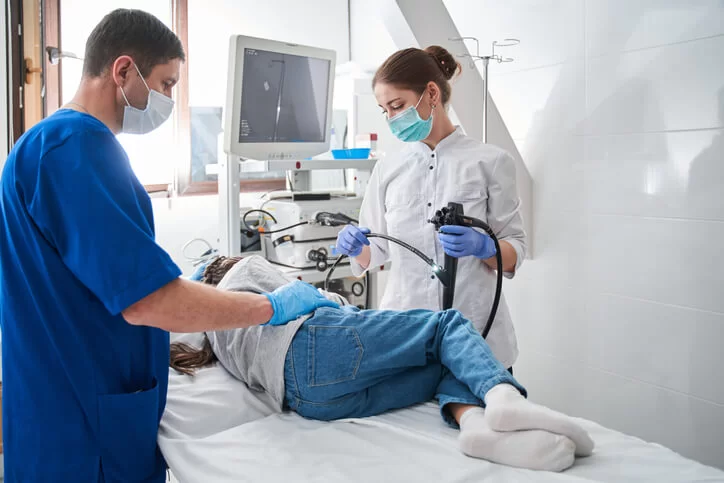
A gastroscopy procedure allows doctors to examine the upper digestive tract using a thin flexible tube with a camera attached to it. The procedure helps detect problems such as ulcers, inflammation, acid reflux, bleeding, or abnormal growths.
For doctors to clearly view the stomach and esophagus, the digestive tract needs to be empty. This is why patients are usually instructed to avoid food and drinks several hours before the examination.
Many people underestimate how important preparation is. Even small amounts of food or liquid remaining in the stomach may affect visibility and reduce the accuracy of the procedure. In some cases, poor preparation may even lead to delays or rescheduling.
Hunger Can Feel Worse Than Expected
One thing many patients do not anticipate is how uncomfortable fasting may feel before the procedure. Depending on the appointment time, patients may need to avoid eating for six to eight hours beforehand.
People who are used to frequent meals, coffee, or snacks may notice headaches, irritability, or mild dizziness during the fasting period. This can feel especially difficult for individuals scheduled later in the day.
Staying distracted before the appointment can help manage hunger and anxiety. Some patients find it helpful to rest, read, or avoid watching cooking videos or food advertisements before their gastroscopy appointment.
Following fasting instructions carefully remains important even if the waiting period feels inconvenient.
Anxiety Is More Common Than Most People Think
Many patients assume they are overreacting when they feel nervous before the procedure, but anxiety is actually very common. Fear of discomfort, gagging, or possible findings often causes stress even before arriving at the clinic.
Some patients also worry about sedation or losing control during the examination. These concerns are understandable, especially for individuals undergoing their first digestive procedure.
Doctors and nurses perform gastroscopy procedures regularly and are trained to help patients stay calm throughout the process. Asking questions beforehand may help reduce uncertainty and make the experience feel less intimidating.
Simple breathing exercises and arriving early may also help patients feel more relaxed before the appointment begins.
The Throat Sensation Can Be Unexpected
Patients are often prepared for stomach-related discomfort but may not expect temporary throat irritation afterward. During the procedure, the flexible tube passes through the mouth and throat before reaching the stomach.
Afterward, some people experience mild soreness, dryness, or a scratchy sensation in the throat for several hours. This is usually temporary and improves on its own.
Lozenges, warm water, and soft foods may help reduce discomfort after the procedure. Most patients recover quickly and return to normal activities by the next day.
Understanding these small after-effects beforehand may prevent unnecessary worry after the gastroscopy is completed.
Sedation May Leave Patients Feeling Drowsy
Many digestive clinics offer sedation to improve comfort during the procedure. Sedation helps patients feel more relaxed and may reduce memory of the examination itself.
However, what many people do not realise is that drowsiness can continue for several hours afterward. Patients may feel sleepy, less focused, or mildly unsteady after leaving the clinic.
Because of this, driving is generally not recommended after sedation. Patients are often advised to arrange transportation home in advance.
Some individuals also prefer resting for the remainder of the day instead of immediately returning to work or busy activities after the procedure.
Conclusion
Preparing for a digestive examination involves more than simply fasting for a few hours. Hunger, anxiety, throat discomfort, and lingering drowsiness are some of the realities that patients may not fully expect before a gastroscopy.
Understanding these lesser-known aspects of preparation can help patients feel more comfortable and mentally prepared before the appointment. With proper preparation and communication with healthcare providers, most patients find the procedure much more manageable than they originally feared.