You brush your child’s teeth, try to keep snacks in check, and hope you are doing enough. Then a small spot shows up on a tooth, or your child says something hurts, and suddenly it feels like you missed a step no one explained. That is a common place for parents to land. Dental problems in children often start quietly, long before there is pain, and that is exactly why early care matters. While topics like dental implants in Jonesboro may be part of broader family dental conversations, protecting children’s teeth early can help prevent bigger problems later.
The short version is simple. Why Preventive Dentistry Should Begin Earlier Than You Think comes down to this: small habits and early dental visits can stop bigger problems before they start. That means less pain, fewer costly treatments, and a better chance your child grows up seeing dental care as normal instead of scary.
Early preventive dental care catches problems before they become painful
Tooth decay does not wait for school age. Cavities can begin in baby teeth, and baby teeth do more than hold space. They help your child chew, speak clearly, and guide adult teeth into place. When those teeth are ignored because they are “just baby teeth,” the damage can spread fast.
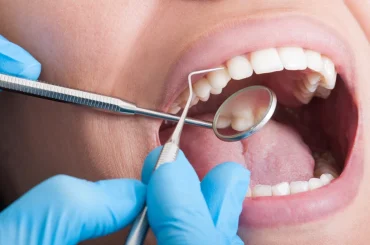
You may not see the early signs at home. A white spot near the gumline, a groove that traps food, a child who avoids cold drinks for a few days, these are easy to miss. By the time a child complains, the problem is often further along. That is where early childhood dental prevention changes the story. Regular exams, cleanings, fluoride treatments, and sealants can catch weak spots before they turn into cavities.
The numbers support that approach. The National Institute of Dental and Craniofacial Research reports that dental caries remains one of the most common chronic diseases in children. You can review the data on children and dental caries from NIDCR. This is not a rare issue affecting a small group of families. It is widespread, and it often starts early.
Preventive dentistry for children reduces stress at home and at the dentist
When dental care begins only after a problem shows up, the first real memory your child has of the dentist may involve pain, fear, or a procedure they do not understand. That can shape how they respond to dental visits for years. A child who starts with routine checkups is more likely to see the office as a familiar place, not a place where bad news happens.
That matters at home too. Parents know the strain of trying to soothe a child with tooth pain at night, rearranging work for an urgent visit, and worrying about the cost. A single untreated cavity can turn into a filling, then a crown, then an infection if it keeps getting pushed off. Early prevention lowers the chance of that chain reaction.
The Centers for Disease Control and Prevention offers practical oral health tips for children, including brushing with fluoride toothpaste, drinking fluoridated water, and keeping up with dental visits. Those steps sound basic because they are, but basic does not mean minor. Done early and done consistently, they protect your child in ways that are easy to underestimate.
Family dentist visits build lifelong habits before unhealthy patterns set in
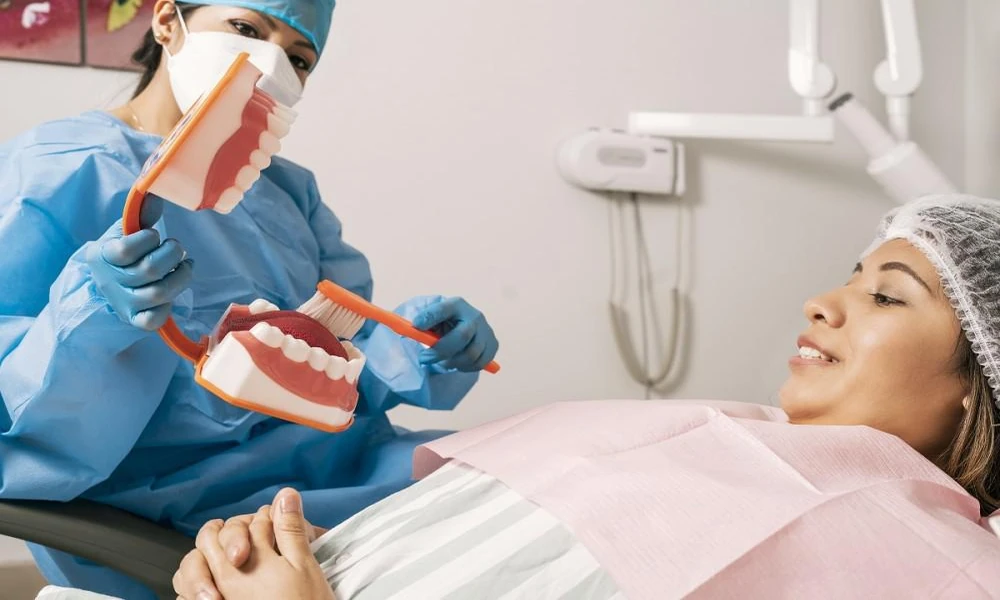
Children do not wake up one day with perfect brushing habits. They learn by repetition, routine, and what the adults around them treat as normal. A family dentist can reinforce what you are already trying to teach at home. That includes showing your child how to brush better, spotting bite issues early, and helping you understand what is normal at each age.
There is also a timing piece that many families do not realize. Once a child gets used to frequent juice, constant snacking, falling asleep with milk, or rushed brushing, those habits get harder to unwind. Starting preventive care early means you can catch those patterns before they become your child’s default.
This is also why preventive dentistry for kids is not only about avoiding cavities. It is about building comfort, trust, and routine while your child is still open to them. Those early years shape more than teeth.
Early prevention costs less and protects more
| Approach | What It Usually Includes | Likely Outcome | Family Impact |
|---|---|---|---|
| Early preventive care | Routine exams, cleanings, fluoride, sealants, home care guidance | Problems found early or avoided altogether | Lower stress, lower cost, fewer urgent visits |
| Delayed dental care | Visits only after pain, visible decay, or injury | Higher chance of fillings, crowns, infection, or tooth loss | More fear, more missed school or work, higher treatment cost |
Most parents are not avoiding care because they do not care. Life gets busy, money gets tight, and if a child seems fine, it is easy to assume there is time. The trouble is that decay rarely stays small. Prevention is usually the less expensive path because it deals with risk early, before treatment becomes more involved.
Small steps now make preventive dentistry easier to keep up with
Schedule the first visit early. Do not wait for pain or visible damage. Early visits help your child get comfortable and give you a clear starting point for cleanings, fluoride, and monitoring tooth development.
Build a home routine that matches your child’s age. Brush twice a day with fluoride toothpaste, supervise longer than you think you need to, and keep sugary drinks and constant snacking from becoming all day habits. Consistency beats perfection.
Treat baby teeth like they matter, because they do. If you notice staining, sensitivity, bad breath that does not go away, or a child chewing on one side, do not shrug it off. Those early signs are often easier to fix when they are addressed right away.
Starting early does not mean you have to do everything at once or do it perfectly. It means giving your child a better chance to avoid pain and giving yourself fewer moments of panic later. Preventive care works best when it begins before there is a problem to solve. If your child has not had an early dental checkup yet, now is a good time to schedule one with a family dentist and get ahead of issues before they grow.