You might see the abbreviation DDS after a dentist’s name when visiting a dental clinic. DDS stands for Doctor of Dental Surgery, a professional degree awarded to qualified dentists. Despite its surgical-sounding title, a DDS performs a wide range of procedures focused on preserving and improving oral health-making it helpful to search for a dds near me when looking for qualified dental care in your area.
What Does DDS Mean?
A DDS (Doctor of Dental Surgery) is a licensed dentist who has been trained to diagnose, treat and prevent oral health complications. In most nations, DDS and DMD (Doctor of Dental Medicine) are synonymous degrees, and there is no variation in training or scope of practice. They both qualify a dentist to offer comprehensive dental care.
Education and Training
A dentist needs to complete a number of years of academic and clinical training in order to be awarded a DDS degree. This typically includes:
- Bachelor’s degree (usually in a science-related subject field)
Four years of dental education which comprised anatomy, physiology, oral biology, and clinical methods.
- Practical education in patient care.
Following graduation, other dentists continue with further specialisation in other fields such as orthodontics, oral surgery, or pediatric dentistry.
- Fundamental DDS Duties.
Diagnosis and Treatment Planning.
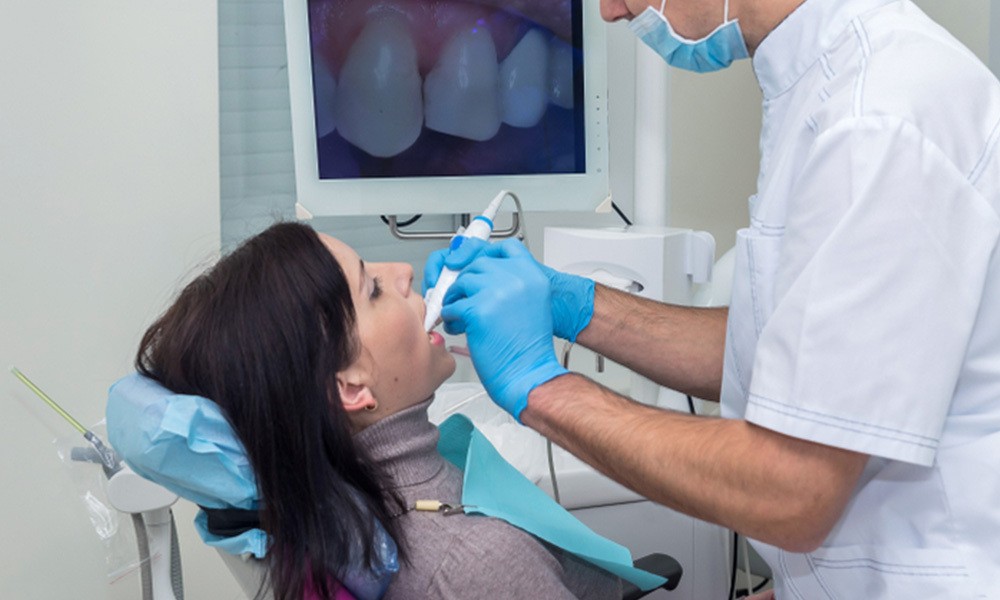
A DDS is used to treat patients to detect dental problems like cavities, periodontal disease, infections or malalignment. They create individualised treatment plans with the help of such instruments as X-rays and oral examination depending on the needs of the patient.
Preventive Care
A significant portion of the work of a DDS is prevention. They conduct regular check-ups, cleanings, and fluoride gels, and teach patients about the best practices in order to prevent future issues.
Restorative Procedures
DDS professionals perform surgeries to replace lost or damaged teeth. Such common procedures are fillings, crowns, bridges, and dentures. The treatments can be used to ameliorate the functionality and the appearance.
Minor Surgical Procedures
A DDS is trained to carry out some surgical procedures like tooth removal, root canal, gum-related treatments and others. In more complicated operations, they can channel patients to experts.
Cosmetic Dentistry
Cosmetic treatment, such as teeth whitening, veneers, and bonding, is also offered by many DDS professionals to improve the look of the smile of a patient.
DDS vs Specialists
Although a DDS is capable of managing the majority of general dental care, they might refer patients to specialists to receive advanced care. For example:
Dentists to straighten the teeth.
Complex surgery oral surgeons.
Advanced gum disease periodontists.
This is a collaborative method that will see the patient get the best care possible.
Significance of a DDS in General Health.
Oral health is strongly connected with overall health. A DDS does not only treat dental issues, but it also assists in identifying indicators of systemic diseases like diabetes or infections that might present themselves in the mouth. Frequent visits to the dentist help in enhancing overall health.
Establishing Long-Term Patient Relationships.
A DDS usually acts as a key dental provider to a person and their family. With time, they get to know the dental history, preferences and concerns of a patient, and there is a chance to provide more personalized and effective care.
Conclusion
A DDS is very crucial in the promotion of oral health in terms of prevention, diagnosis, and treatment. It is in routine check-ups to intricate procedures; they are well-trained to provide holistic care to patients.