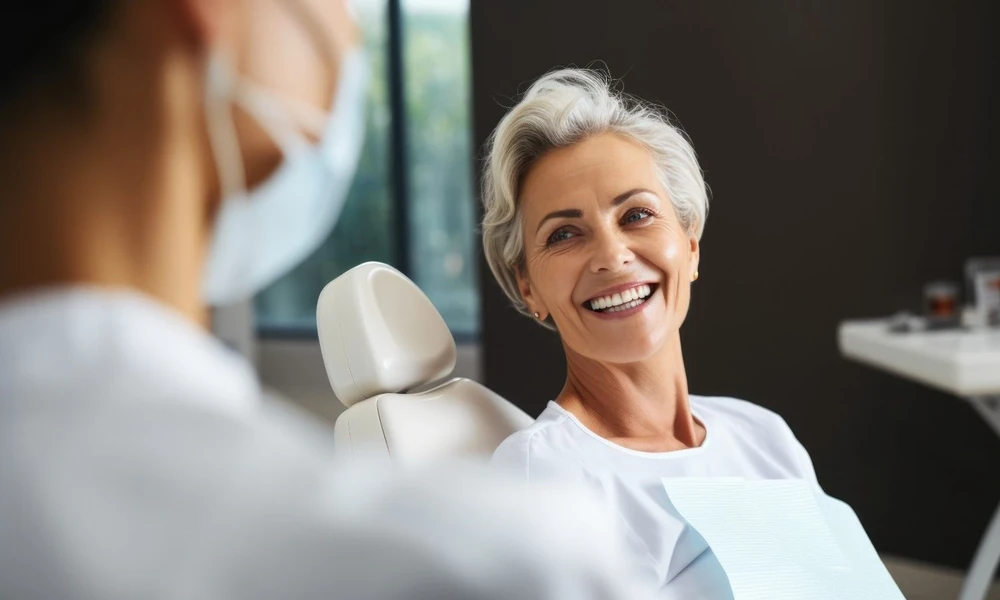
You might be looking at your family’s smiles and feeling a mix of emotions. Maybe your child hides their teeth in photos, your teen is asking about whitening, or you are quietly bothered by a chipped front tooth that has been there for years. As a Hartford dentist, you want everyone to be healthy, but you also want them to feel confident. It can feel like you must choose between “real” dental care and “cosmetic” care.end
That tension is exhausting. You care about cavities and gum disease, yet you also see how much a smile affects confidence at school, at work, and in relationships. Because of this, you might wonder where cosmetic dentistry fits into the bigger picture of family care. Is it extra, or is it part of building a strong foundation for your family’s oral health and emotional wellbeing.
The short answer is that thoughtful cosmetic care can support function, long term health, and self esteem at the same time. When a trusted family dentist brings cosmetic dentistry into the conversation, it is not about chasing perfection. It is about aligning appearance, comfort, and health so your family can smile without hesitation and maintain good habits more easily.
Is Cosmetic Dentistry Really Part Of “Real” Family Care?
There is a common belief that cosmetic dentistry is only about looks. That belief can leave you feeling guilty for even asking about whitening or veneers, as if you are being shallow when you should only focus on “serious” issues like decay or infections.
The reality is more layered. The Centers for Disease Control and Prevention notes that a healthy mouth supports overall health, from nutrition to daily comfort. You can read more about that connection in the CDC’s information on oral health and general health. What often gets missed is that people are more likely to protect what they feel good about. When someone likes their smile, they tend to clean it more consistently, keep appointments, and speak up when something feels off.
So where does that leave you as a parent or caregiver. It usually shows up in small, everyday moments. Your child might avoid smiling in class photos, your teen may refuse to wear an aligner because it looks “awkward,” or you might avoid important meetings because you are self conscious about worn teeth. These are not just cosmetic concerns. They touch confidence, social comfort, and even career opportunities.
A family dentist who understands cosmetic family dental care will see the full picture. Straightening teeth can improve bite function and make cleaning easier. Repairing chipped or worn teeth can improve chewing and protect the remaining structure. Whitening can motivate someone to maintain better brushing habits. Appearance and health often work together rather than competing.
What Happens When Appearance Concerns Are Ignored?
It might seem easier to “just live with it.” Many people do. They tell themselves that a dark tooth or a gap is “not that bad” and that they should be grateful it does not hurt. Over time, though, this can create quiet stress that seeps into daily life.
Imagine a teenager who feels embarrassed by crowded, stained teeth. They smile with closed lips, avoid speaking up in class, and shy away from activities where they might be photographed. At home, they insist they are “fine,” yet their posture and eye contact tell another story. When parents ask about braces or whitening, the teen shrugs and changes the subject. Underneath, there is a sense of “Why bother, nothing will really help.”
Or picture an adult who cracked a front tooth years ago. The tooth was patched quickly, but the color does not match, and the edge is uneven. They cover their mouth when they laugh, and during job interviews they worry more about hiding their teeth than about the questions being asked. The tooth may be physically stable, yet the person’s confidence is not.
Left unaddressed, these situations can affect mental health, social connection, and even career progress. On a practical level, people who feel embarrassed about their teeth sometimes avoid dental visits altogether. That can allow small problems to become larger and more expensive over time.
This is where cosmetic work, guided by a trusted family dentist, becomes part of the solution. The goal is not a movie star smile. The goal is a natural, healthy look that feels like “you,” so you and your family are not held back by self consciousness or fear of judgment.
How Can Cosmetic Dentistry Support Health As Well As Confidence?
Thoughtful cosmetic dentistry often overlaps with restorative and preventive care. A few examples help make this clear.
- Whitening done under professional guidance can remove stains and motivate better daily care. The American Dental Association provides balanced guidance on tooth whitening options and safety, which your family dentist can help interpret for your specific situation.
- Tooth colored fillings can restore decayed teeth while also blending with natural enamel. Children and teens often feel less self conscious when their fillings are not visible, which makes them more willing to get treatment early instead of waiting until pain forces the issue.
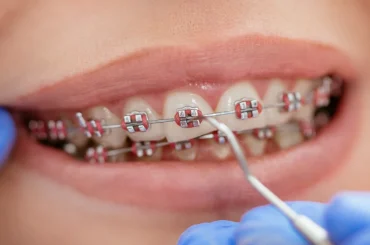
- Aligners or braces can improve the way teeth meet, which reduces uneven wear, jaw strain, and difficulty cleaning crowded areas. Straighter teeth are usually easier to brush and floss, which lowers the risk of gum disease and cavities.
- Veneers or bonding on chipped or worn front teeth can protect fragile edges and create a smoother bite surface. This is not just about looks. It can reduce future fractures and sensitivity.
When a family dentist looks at your mouth, they see function, structure, and appearance as one system. Cosmetic dentistry for families means choosing options that respect long term health while improving how you feel about your smile today.
What Should You Weigh: DIY Options Or Working With A Family Dentist?
With so many online whitening kits and mail order aligners, it is natural to wonder whether you should try to handle cosmetic concerns on your own. It can seem cheaper and more convenient, especially when budgets are tight.
The reality is more nuanced. Some over the counter options are reasonable for mild concerns, while others can cause sensitivity, gum irritation, or bite problems if used without proper guidance. To make this clearer, here is a simple comparison that many families find helpful.
| Choice | Typical Uses | Pros | Risks / Limits | Best For |
|---|---|---|---|---|
| DIY / Store Bought Whitening | Surface stains on otherwise healthy adult teeth | Lower upfront cost. Easy to purchase. Some improvement in color for mild staining. | Uneven results. Higher chance of sensitivity. Does not check for underlying decay or cracks before whitening. | Adults with recent mild staining who have had a recent dental exam and cleaning. |
| Professional Whitening With A Family Dentist | Deeper or long term stains. Color matching with existing dental work. | Custom strength and timing. Monitored for safety. Can coordinate with fillings, crowns, or veneers for a natural match. | Higher cost than basic store products. Requires an in office visit and follow up. | Teens and adults who want noticeable yet natural results, especially if they have existing dental work. |
| Mail Order Aligners | Very mild crowding in adults with healthy gums and bone | Convenient home use. Marketing often highlights lower cost. | No in person monitoring of jaw or bone health. Risk of unwanted tooth movement and bite changes. | Only for very limited cosmetic shifts in adults who still commit to regular in person dental exams. |
| In Office Orthodontics Through A Family Dentist Or Specialist | Crowding, spacing, bite issues in children, teens, and adults | Complete evaluation of teeth, jaw, and growth. Ongoing adjustments. Can address both function and appearance. | More appointments. Higher total cost. Requires cooperation with wearing appliances. | Children, teens, and adults who want stable, healthy alignment and long term comfort. |
This type of comparison shows why a family dental care approach matters. You are not choosing a product. You are choosing a plan that fits your family’s mouths, ages, health history, and goals.
Three Steps You Can Take Right Now To Support Your Family’s Smiles
1. Start With An Honest Conversation At Home
Ask each family member, “How do you feel about your teeth when you see photos or look in the mirror.” Then listen without rushing to fix anything. You might hear practical concerns like sensitivity or crowding. You might also hear quiet worries about teasing at school or hesitations at work. Naming these concerns is the first step toward thoughtful choices rather than quick, reactive ones.
2. Schedule A Comprehensive Checkup Focused On Both Health And Appearance
When you visit your family dentist, be clear that you want to talk about health and appearance together. Ask for a full exam, including gums, bite, and existing fillings or crowns. Then ask which cosmetic options, if any, could also improve function or make hygiene easier. This shifts the conversation from “What can you sell me” to “What makes sense for our long term health and confidence.”
3. Create A Simple, Shared Home Care Routine
Cosmetic work is only as strong as the daily habits that support it. As a family, choose two or three non negotiables. For example, brushing twice a day for two minutes, flossing or using interdental cleaners once a day, and limiting sugary drinks to mealtimes. Consider a shared timer in the bathroom, a weekly “smile check” together, or a small reward system for kids. When everyone participates, it feels less like nagging and more like teamwork.
Where Do You Go From Here?
You might still feel a bit unsure, and that is completely normal. You care about doing the right thing for your family. You do not want to waste money, and you do not want to chase trends. What you do want is simple. You want healthy mouths and confident smiles that do not hold anyone back.
Thoughtful cosmetic dentistry, guided by a trusted family dentist, can support that goal. It can turn stressful appointments into planning sessions, where you and your dentist work together on a path that protects health, respects your budget, and helps each person in your family feel more like themselves when they smile.
You do not have to have all the answers before you walk into the office. You only need to bring your questions, your concerns, and your hope that things can be better. From there, a steady, step by step plan can take shape, one small change at a time.